
Sequoyah Parole and Probation Compared
Oklahoma assigns parole decisions and field supervision to different bodies. The Oklahoma Pardon and Parole Board, or PPB, handles parole consideration and publishes dockets and results. Oklahoma Department of Corrections Probation and Parole Services handles field supervision. A court orders probation. That court record may show community supervision even when the person has never served an ODOC prison term.
Parole is conditional release from incarceration while the sentence continues. Probation is court-ordered supervision in the community, often instead of incarceration or as part of a sentence. Neither term means discharge. Discharge is the formal end of the sentence or supervision identified in the correctional record. The source and legal effect differ, so the labels should never be used as if they meant the same thing.
| Point | Parole | Probation |
|---|---|---|
| How it starts | Conditional release from a prison sentence after the required process | A court places the person under community supervision |
| Decision source | PPB action, with a Governor step when applicable, followed by ODOC processing | Judgment and sentence or another signed court order |
| Field supervision | ODOC Probation and Parole Services | ODOC when its status applies, or a separate court program when ordered |
| Best public check | ODOC status plus PPB docket or result | ODOC status and the controlling court record |
| How it ends | Formal discharge, expiration, or another authorized action | Completion or discharge shown by the supervising authority and court record |
Note: A transfer from Sequoyah County Jail to ODOC is continued custody, not parole and not community release.
Verify Sequoyah Post-Release Supervision
Start with identity, not a familiar name. The ODOC Offender Lookup accepts a name or ODOC number and may show identifiers, status, sentence rows, county, offense, and supervision context. Match the ODOC number, physical details, and Sequoyah case information. A past sentence row or photograph does not prove a person is now supervised.
A repeatable check uses several official records in a set order. Each source answers a different part of the question.
- Search the ODOC record by ODOC number when known. If searching by name, compare all available identifiers before selecting a record.
- Read the current status exactly. “Parole,” “probation,” “incarcerated,” and “discharged” describe different legal and custody states.
- Open the PPB Dockets and Results only when parole consideration is involved. Search a long PDF by ODOC number, then confirm the name, county, case, and offense.
- Check the Sequoyah court docket for the judgment, sentence, revocation filing, or signed order. A docket entry may summarize an event, so obtain the actual order when its exact effect matters.
- Use the ODOC office directory to identify the field office serving Sequoyah County. Ask only for public verification or the proper records-request route.
For custody-change alerts, Oklahoma VINE can add a timely lead. It does not replace the correctional status or a formal discharge record. PPB also warns that VINE does not itself provide parole-process notice, so a VINE registration should not be treated as notice of every board event.
Sequoyah Supervision Office in Sallisaw
Sequoyah County has a dedicated ODOC field office. That fact makes the local route specific: a person whose ODOC record shows parole or probation can be tied to the office listed for Sequoyah County. The office is not the source for routine bond releases from the county jail, dismissed cases, or an unsupervised sentence discharge.
The ODOC Probation and Parole directory is the official source for the listing. Public staff may be limited in what they can confirm about schedules, addresses, case plans, or other sensitive details. Ask whether a public supervision status can be verified and how to request a releasable record.
ODOC Sallisaw Probation and Parole
207 N. Oak St., Suite 2
Sallisaw, OK 74955
Phone: 918-775-6414
Service area: Sequoyah County state supervision
The official office listing is shown in the captured ODOC directory below.
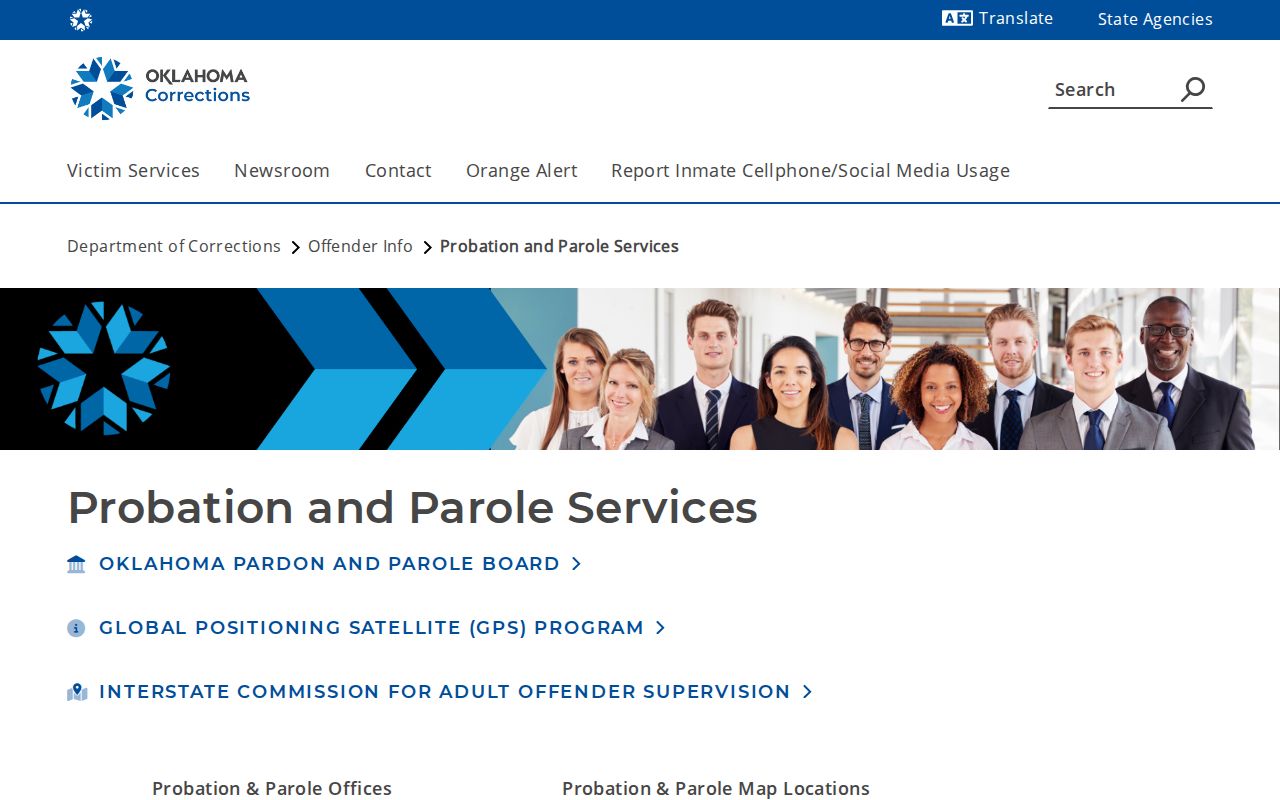
The directory connects an ODOC-supervised Sequoyah County release to a real local office, while preserving the line between state supervision and an ordinary county bond release.
Sequoyah Probation and Court Programs
Community Sentencing at 102 S. Oak in Sallisaw is a separate judicial program. It should not be called ODOC parole. When a Sequoyah County docket orders community sentencing, the court record and the county Community Sentencing office explain that path. When the ODOC record states parole or probation, the ODOC Sallisaw office is the correct field-supervision route.
This distinction also matters after a jail release. Bond, recognizance, or dismissal can end the immediate booking without creating ODOC supervision. A later judgment may impose probation, but the release record alone cannot prove that outcome. Read the signed judgment and sentence. For broader county release verification, the Sequoyah County released-inmate search path explains how the jail record, court file, VINE, and receiving agency work together.
- Parole
- Conditional release from incarceration while the sentence and supervision continue.
- Probation
- Court-ordered community supervision that may be imposed without a prior prison term.
- Discharge
- The formal end of the sentence or supervision identified by the issuing authority.
- Revocation
- A legal process that can withdraw conditional release or probation after an alleged violation.
- Detainer
- A request or hold from another authority that can prevent community release or cause transfer.
Note: The court file establishes a judicial program; the ODOC record establishes state correctional supervision and its current status.
Sequoyah Parole Dockets and Results
PPB records describe a decision process, not field supervision and not physical release. Dockets may list the person’s name, ODOC number, county, case, offense, sentence, parole-eligibility date, projected release date, and hearing category. Results add the board action. “Sequoyah” may refer to the sentencing county rather than the person’s current location.
The Board describes four main outcomes. It may recommend parole for a violent offender to the Governor, grant parole for a nonviolent offender, pass the matter to another docket, or deny parole. A majority of three votes is needed for favorable action, and the result is not final until the meeting is adjourned and validated. A pass means postponement. It does not mean denial, grant, or release.
After a denial, the next review interval also depends on the case. PPB says a violent offender is generally reviewed again in three to five years, while a nonviolent offender is generally reviewed again in one year, subject to current law and case facts. That later review window is not a projected exit date. It says when parole may return to the docket.
The official results archive is illustrated below through the PPB docket and results source.
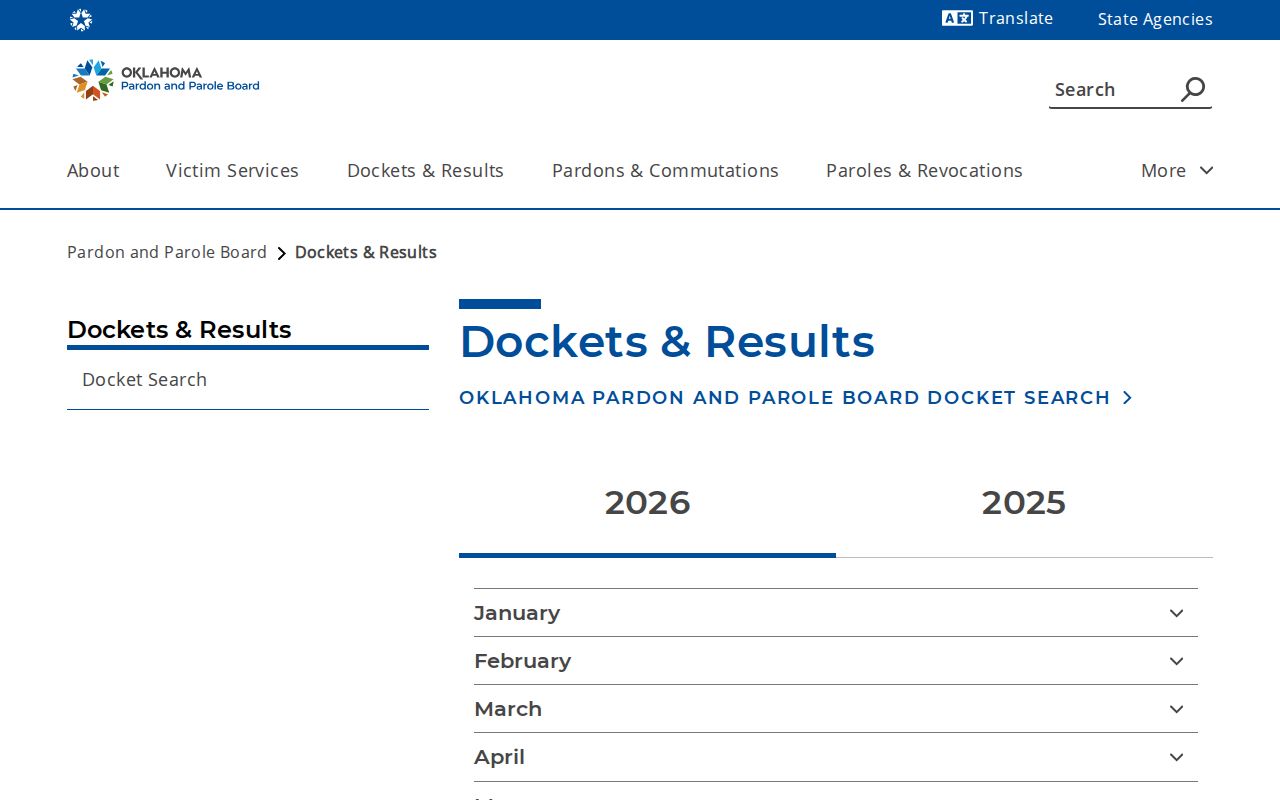
The archive is useful for tracing parole action, but an ODOC status or Certificate of Release is stronger proof that custody actually ended.
Sequoyah Supervision Violations and Warrants
Conditions depend on the governing order and supervision plan. At a high level, they may require reporting and compliance with lawful instructions. A violation allegation can lead to a warrant or revocation process. It does not prove the allegation, and it does not always show where the person is held.
An absconder is a person officially alleged to have stopped reporting or complying. Use that label only when a current official record supports it. Research found no reliable current Sequoyah County sheriff parole-absconder list. The safe route is to recheck ODOC status, PPB revocation material when applicable, and the court or warrant channel. Old posts are not current proof.
If a revocation returns someone to custody, the custodian may change. The Sequoyah County jail roster answers only whether the person is currently held there. ODOC covers state correctional custody. VINE may report a custody movement, but it is not a full warrant database and should be confirmed with the agency that issued the record.
Oklahoma VINE reports custody events such as transfer, escape, apprehension, release, and death when participating agency data is present. It does not supply the full supervision case file. PPB’s separate victim-notification process remains the official route for parole-process notices when applicable. This boundary prevents a missed alert from being mistaken for proof that no parole or revocation action occurred.
Ending Sequoyah Post-Release Supervision
Supervision ends through an authorized event, not merely because a person stops appearing in one search. An ODOC status of “discharged” means the identified state sentence or supervision has ended. It should be read against the sentence and case rows, since another case, registry duty, or jurisdiction may still exist. A parolee remains within the sentence until that formal end.
When documentary proof matters, request the precise ODOC record. Sentence Administration materials identify a Certificate of Release, Notice of Inmate Status Change, Consolidated Record Card, and other calculation records. The Sentence Administration forms and policy index is the official navigation point. Ask for the Certificate of Release and relevant status-change notice, subject to public-access and authorization limits.
ODOC Legal Services also provides a discharge-specific contact at osordischarges@doc.ok.gov. A focused request should include the full name, ODOC number, appropriate date of birth, Sequoyah case number, and the exact discharge or supervision record sought. Some details may be confidential or require signed authorization.
The public status and the formal record serve different needs. The lookup is useful for a current check, while a dated certificate or status-change notice gives a durable account of what ODOC recorded. If a public result conflicts with a court order or a recent custody alert, provide the identifiers and both dates to the record custodian rather than choosing the result that seems most favorable.
Note: “Discharged” ends the identified supervision record; it does not erase the court case or prove that every legal duty ended.